
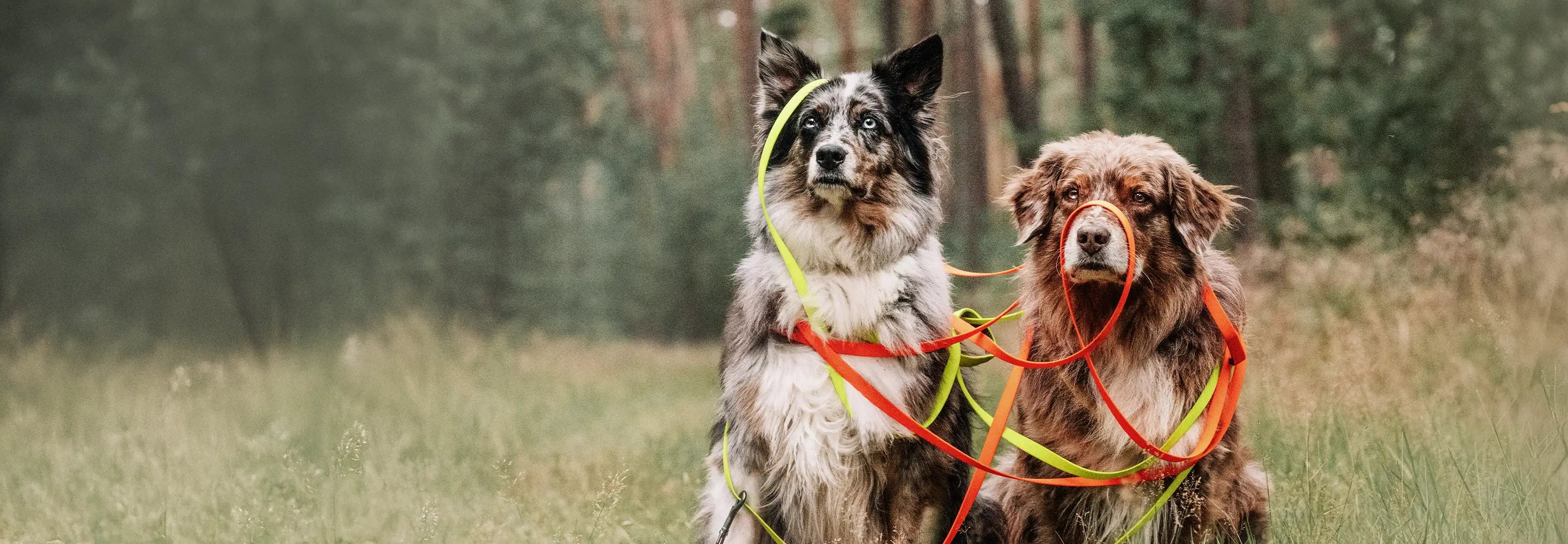
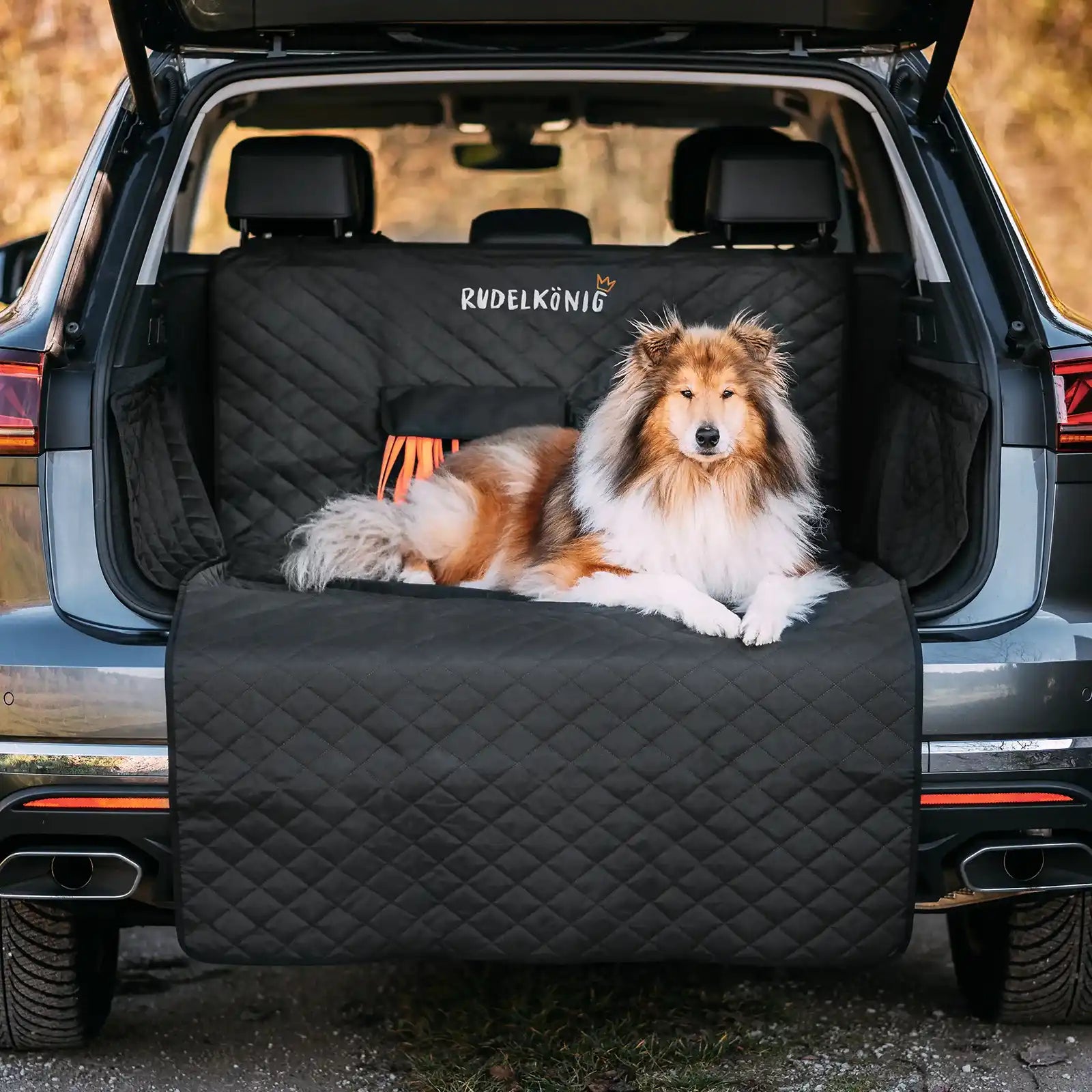
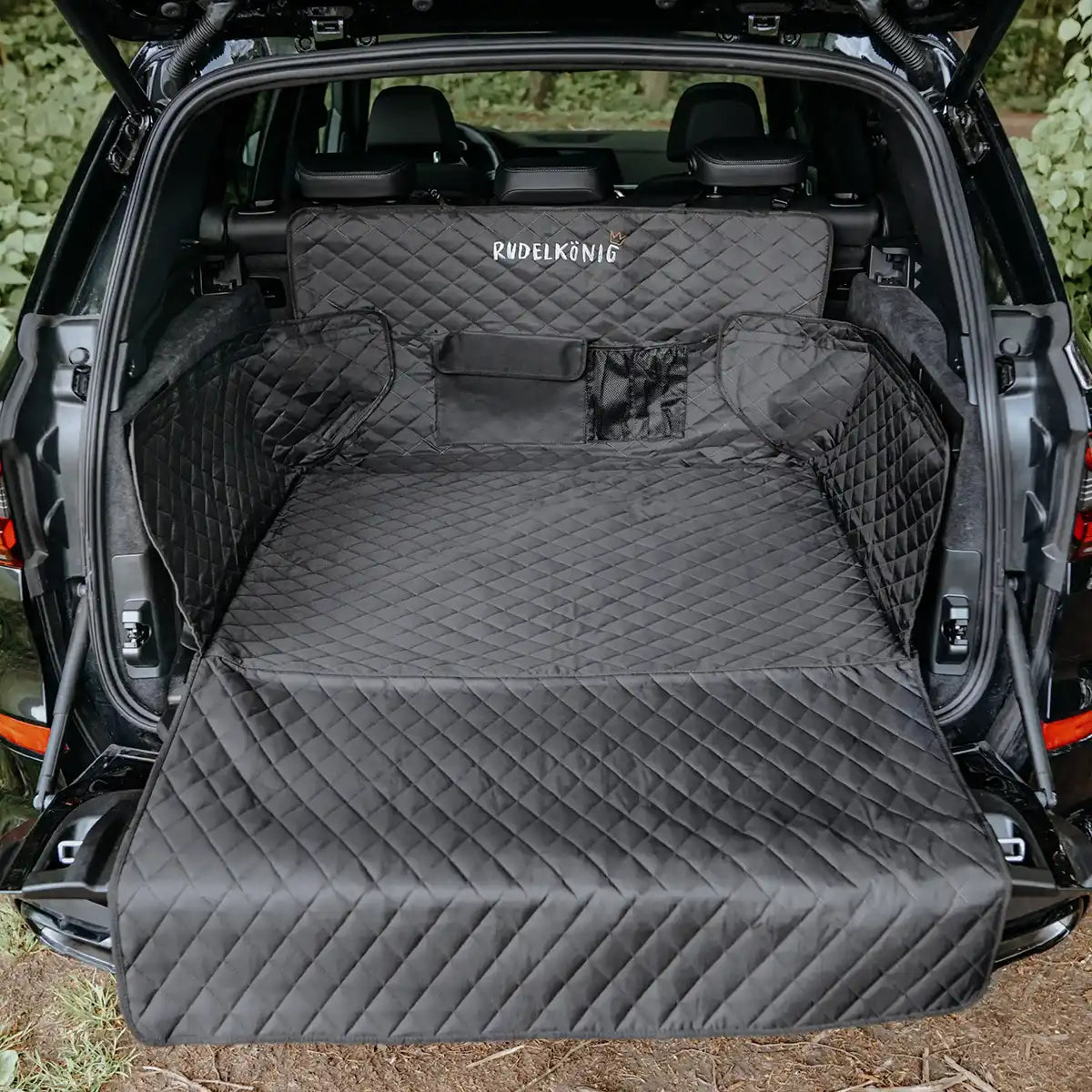


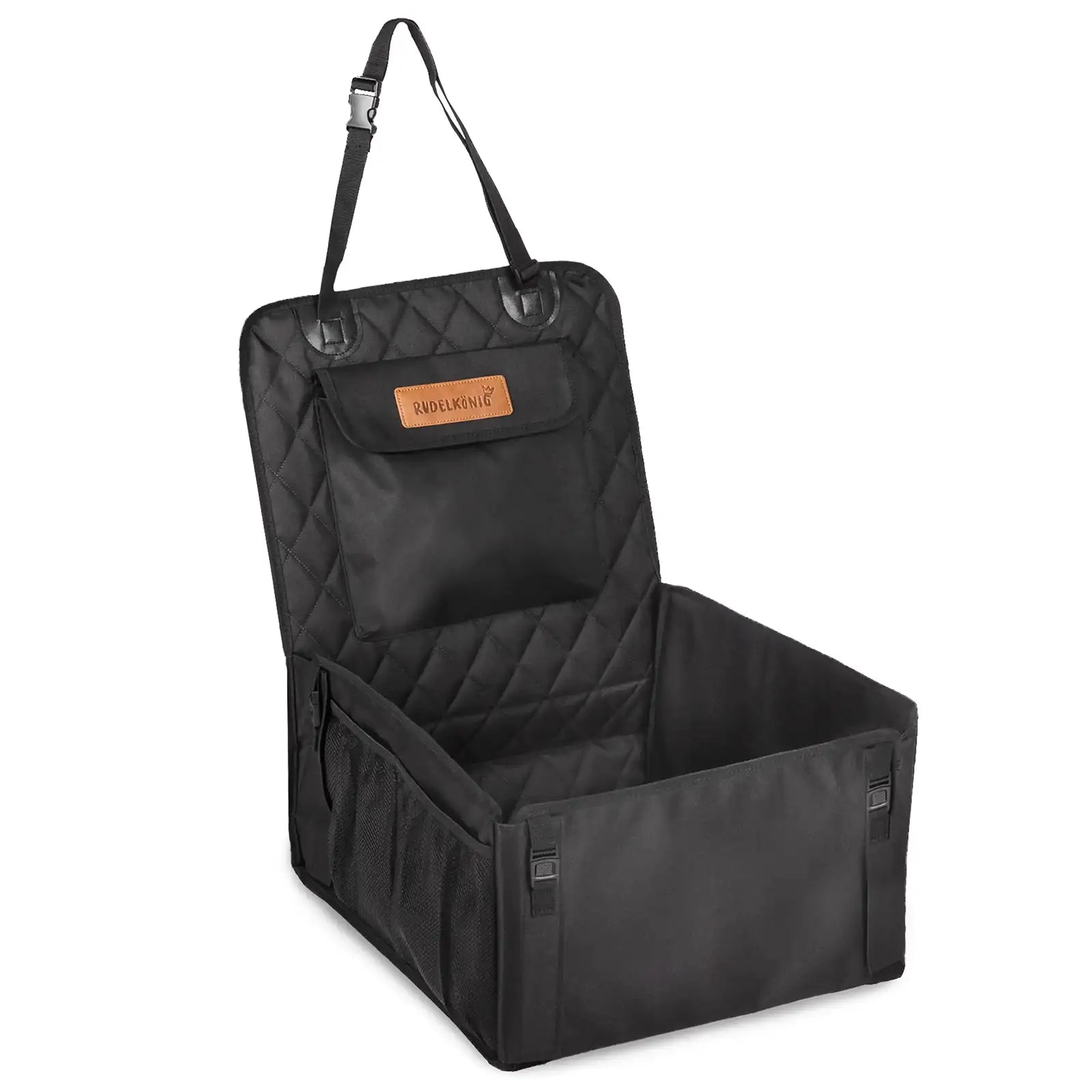


The air outside smells of adventure. Your dog is standing excitedly at the door, leash in his mouth or looking expectantly towards you. It's time for the daily walk - for many dog owners, a beloved ritual that means more than just exercise. But what actually makes a good walk? Information about the different needs of different dogs is crucial. How often should you take your dog out and what role do products such as leashes, harnesses or poop bags play? You can find further information about these products in the linked articles.
In this guide we will show you what is really important when going for a walk, what mistakes you should avoid and how you can make walks the highlight of the day for you and your dog. For specific topics related to dog walking, you can find additional information and tips in our additional articles.
Why walking the dog is more than just exercise
Walking the dog is much more than just a quick release from the nearest tree. For dogs, it is an essential part of their life – physically and mentally. For your four-legged friend, every walk means new smells, social contacts, including encounters with other dogs or people, mental exercise and valuable time with you. Especially in a world where many dogs are alone at home for hours, a walk is a precious moment of attention.
Depending on the breed, age and health of your dog, their needs vary. If there are special health conditions, walking should be done in consultation with the veterinarian. An agile Border Collie needs different walks than an older Pug. But regardless of breed, daily walks are both a duty and a responsibility. They have a lasting impact on your dog’s behavior, health and quality of life.
How often and for how long should you walk your dog?
General answers are of little help here, because individual needs are crucial. Dogs that live in an apartment are particularly dependent on regular walks. Basically:
-
Adult, healthy dogs need at least three walks a day. Two of them should be longer (30-60 minutes each), one can be shorter.
-
Puppies need lots of short walks – ideally every two to three hours.
-
Older dogs require shorter but more frequent rounds.
The weather also plays a role. If it is very hot or very cold, you should adapt your walks. Pay attention to body language and behavior - your dog will show you what he needs.
The right equipment for relaxed dog walks
If you're traveling with a dog, you don't need much - but you need the right thing. A well-fitting leash, a sturdy harness and sufficient poop bags are mandatory. The Dog walking products from Rudelkönig stand for quality, durability and well-thought-out design that makes everyday life with your dog easier. On our website you will also find photos of the products and dog walkers so that you can get an accurate picture of the equipment and the tested dog walkers.
Whether it's a city walk in the neighborhood, excursions into nature or quick laps in between: with the right equipment you can make life easier for yourself and your dog. It is important that everything sits comfortably, is stable and gives your dog security. Proper use of leashes and harnesses is particularly important for shelter dogs or sensitive four-legged friends. You can find further information about equipment and dog walking on our website or directly from the respective animal shelters.
Walking puppies – special features and tips for their first walks
The first few rounds of walks with a puppy are a very special adventure – for you and your little four-legged friend. In order to get started with going for a walk together, you should consider a few requirements and tips that are specifically tailored to the needs of puppies.
Before you start, check whether your puppy is ready for his first walks: he should have received the most important vaccinations and be in good health. A quick check at the vet will give you peace of mind that your little companion is prepared for the new task. A suitable dog walking ID card can also be useful in some regions, especially if you are traveling in a group or as part of a dog walking service.
The right equipment is essential: a light, well-fitting leash and a comfortable collar or harness ensure safety and comfort. Gently get your puppy used to the leash before you explore the world together. In the beginning, short walks of 10 to 15 minutes are sufficient - this way you don't overwhelm your dog and give him the opportunity to discover the surroundings at his own pace.
Always pay attention to your puppy's signals during the walk. Breaks are important so that he can process new impressions. Show him different places, let him get to know different people and other animals - this promotes socialization and makes him a well-balanced companion. Each new experience strengthens the trust between you and helps your dog find his way in the world.
Safety always comes first: keep an eye on your puppy, hold on to the leash and choose quiet paths for the first outings. Attention is required, especially in the beginning, so that your dog doesn't escape or get frightened. You should always have a cell phone with you in case of emergency and your most important contact details.
Motivate your puppy with small rewards, toys or loving words. Praise him when he orientates himself on the leash or masters new situations. This way, walking the dog will quickly become a positive experience that you both enjoy and strengthens your bond.
Every puppy is unique - adapt the walks to their individual needs and stay flexible. With patience, attention and good preparation, walking your puppy will be a valuable experience that will bond you for a lifetime.
Walking the dog as a relationship work
Walking the dog is not a mandatory program that you should tick off as quickly as possible. Rather, it is an opportunity to strengthen relationships and build trust. Personal contact between you and your dog is crucial because it promotes emotional bonding and supports your four-legged friend's mental development. Use the walks to communicate with your dog, observe him, play with him or incorporate small exercises.
A good walker knows his dog, knows how he reacts to other animals, people or new situations and acts confidently - and sees him as a loyal companion who enriches everyday life. Especially in cities or busy places, you sometimes need tact and good education - but also calmness and humor.
Going for a walk: When everyday life doesn't allow it
It's not always possible to reconcile everything - work, family, appointments. If you cannot walk your dog sufficiently yourself, it is a Dog walking service or Dog sitter a sensible alternative. Many providers provide a professional Dog walking service ready to respond to your dog’s individual needs. There are now numerous platforms and apps where you can find suitable dog walkers in your area. You can do one quickly and easily using an app Booking for a dog walker. You can also enter there specifically Request or one Search after someone Hire someone who will walk your dog for free or for a fee. When booking such services for your Pets often becomes a special protection for your pet guaranteed to ensure safety and satisfaction. The secure, personal and paid process of a service can be guaranteed with certain Costs be associated, for example for insurance or service fees.
Pay attention to reviews, sympathy in the first contact and whether the person has experience dealing with dogs - one Rating other users will help you better assess the quality and trustworthiness. A test walk helps to build trust. Some services also offer a match system in which the dog and the dog walker are supposed to be a good match. The experiences Other dog owners with specific dog walkers can be very helpful when making your selection.
For shelter dogs in particular, regular visits from dog walkers are often their only excursion into the outside world. So if you have the time and desire to get involved: Many animal shelters are happy to have people go for a walk with their protégés. This interest at work in animal shelter is very welcome, and in animal shelters There are many ways to get involved – the team at animal shelter will be happy to support you. You usually need a short briefing, sometimes a dog walker account or registration via email - and of course love for animals. You can often find more information on the website of the respective animal shelter.
If you are unsure or have individual concerns, you can do so at any time Questions to the animal shelter.
Typical mistakes when walking the dog – and how to avoid them
Many problems with dog walking arise from ignorance or stress. Here are a few classic pitfalls - and tips on how to make them better:
-
Hectic instead of relaxation: Plan enough time. Dogs sense stress immediately.
-
Smartphone instead of attention: Your dog wants your closeness and presence – not your look at the screen.
-
Always the same paths: New routes bring variety and mental exercise.
-
Lack of structure: Clear rules and rituals give your dog security.
Above all, when walking the dog, you should pay attention to being considerate and adhering to all the rules so that harmonious coexistence is possible.
If you Walking the dog is a shared task and not a chore Understand, every walk becomes a real enrichment – for you and your dog.
What to do if the dog doesn't want to go for a walk?
Some dogs aren't great walkers - be it out of fear, pain or just plain disinterest. In such cases it is important to find the reasons, not complain. Veterinary checks are just as important as behavioral observations. Maybe a change of location, a new gas company or simply more patience will help.
The right equipment can also make a difference. A shy dog often feels much more comfortable with a secure harness. And if the problem lies deeper - perhaps due to bad experience or a lack of socialization - an experienced dog trainer can help.
Regular walks and patience promote the dog's happiness by increasing his well-being and satisfaction through familiar care.
Conclusion: Walking the dog is more than a chore - it's a connection
When you realize that every walk is an opportunity for closeness, trust and adventure, walking the dog becomes something special. With the right attitude, good products and an open mind for your four-legged friend, every walk can be a joy.
Take advantage of the opportunities your location offers - whether it's a park, a forest or a quiet neighborhood street. Try new paths, discover new smells, go out with joy and ease. Your dog will thank you – with shining eyes, a wagging tail and a happy dog life.
Discover now: The high-quality ones Dog walking products from Rudelkönig – for relaxed walks that are good for both of you.

