
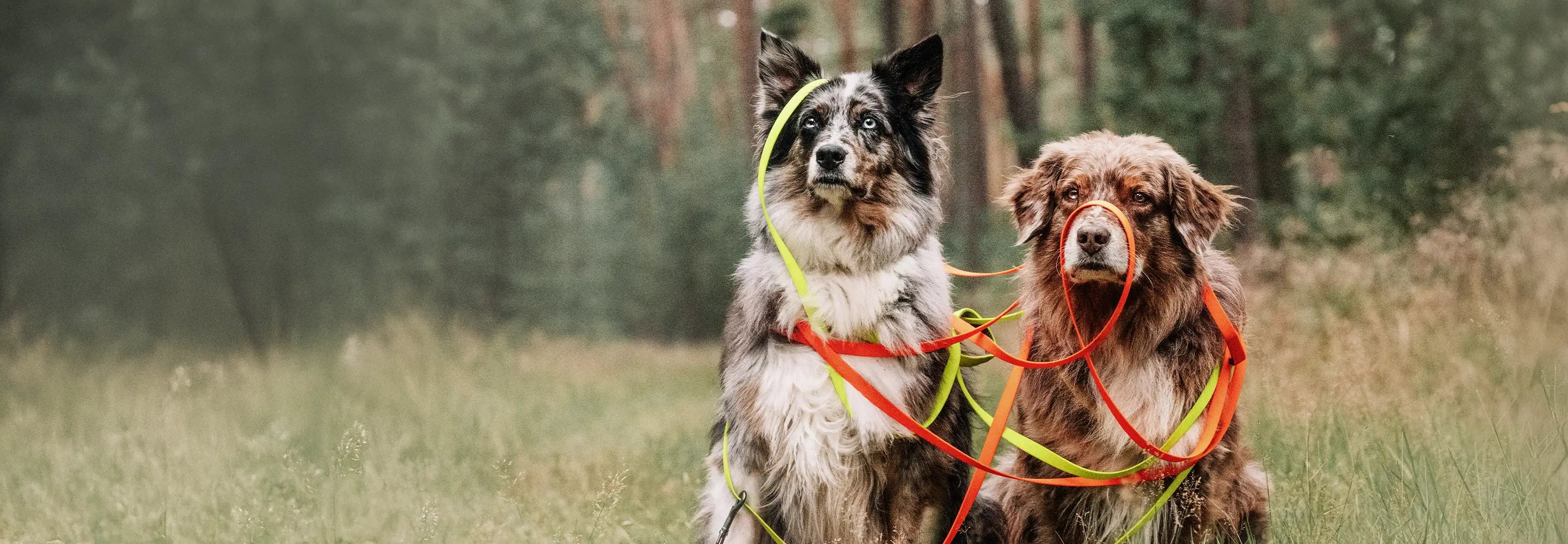









Dogs have fascinated us humans for thousands of years. Whether as loyal companions, vigilant protectors or cuddly family members - the characteristics of dogs make them something very special. But what is actually behind the essence of one? Canis lupus familiaris? In this guide we delve deep into the world of dog breeds, their characteristics, abilities and the close relationship between humans and dogs. Let's understand together why the domestic dog is still one of the most popular pets in the world today - and what you can take with you into your life with your four-legged friend. You can find further information in our article and in the detailed profile of the dog.
The dog belongs to the order of mammals and is a fascinating example of the biology of domesticated animals. Scientists continually research the dog's biological characteristics, development and ancestry to better understand its behavior and adaptability.
The exciting story of domestication: from wolf to loyal companion
Before we look at the special characteristics of dogs, it is worth taking a look back at their developmental history. Our domestic dogs originally come from wolves (Canis lupus) off. The origin of the domestic dog plays a crucial role in the development of different dog breeds, as regional and genetic differences have shaped the diversity of today's breeds. Through generations of breeding, selection and adaptation, the domestic dog as we know it today emerged - in all its shapes, sizes and breeds.
Domestication probably began over 30,000 years ago when humans began feeding wolves and integrating them into their communities. The role of the domestic dog was different in different cultures and eras and ranged from hunting companion to symbol of loyalty and protection. This close relationship gave birth to a completely new type of animal: the dog, which not only survived as a predator, but also watched over us as a partner, hunted and later also herded herds or simply kept us company.
To this day, we not only share our living space with dogs, but also many everyday routines. Studies show that dogs can even read our moods - evidence of how deeply intertwined their abilities are with us humans. Scientific studies on dog ancestry and domestication show that domestic dogs and wolves can produce fertile offspring, although the likelihood of such hybridization depends on the presence of both species in certain regions and on behavioral differences. In fossil finds, specific characteristics such as changes in teeth or snout shape are used to distinguish domestic dogs from wolves. Like humans, dogs are mammals, but differ in many biological characteristics from other mammals such as whales or shrews. The domestic dog's descent from the wolf explains many similarities, but also the differences in behavior and appearance between the two species.
The most important features: What makes dogs unique
Every dog is an individual - and yet there are certain characteristics that all dogs share. As a mammal, the dog has basic characteristics that it shares with other mammals. Knowing these characteristics will help you understand your four-legged friend better and keep it optimal.
Physique and appearance: diversity in all forms
From the tiny Chihuahua to the imposing Great Dane: dogs vary enormously in size, weight and shoulder height. Coat colors, fur structure and general physique also vary depending on the dog breed and breed. Dog breed plays a crucial role in a dog's appearance, behavior and life expectancy. The systematic division of domestic dogs into different breeds makes it possible to record their diversity and specific characteristics and to clearly distinguish them from wolves. A dog's individual name serves as an important identification feature, both in everyday life and in official documents. Prehistoric paw prints of domestic dogs discovered at archaeological sites provide valuable evidence of early domestication and the development of today's dog breeds. This diversity is unique in the animal world and makes dogs particularly adaptable to different habitats.
But no matter whether big or small - all dog breeds belong to the order of Canids and share typical characteristics such as a sensitive nose, good hearing and the ability to quickly adapt to different environments.
Character Traits: Loyal friends with personality
Probably the most important quality of dogs is their loyalty. They are considered man's best friends - a role they have earned through their unique abilities. Many dog breeds were originally bred for specific tasks: herding, guarding, hunting or providing companionship. This original use still shapes its character today.
Some dogs are particularly alert and have traditionally been used as guard dogs to protect land and property. Others are more cuddly or playful. It's worth observing your dog's character closely - this way you can better respond to his needs and build a strong human-dog relationship.
Social Skills: Communication and Bonding
Dogs communicate with us in many different ways. They communicate their needs to us through body language, vocalizations and even their sense of smell. Studies show that dogs are able to recognize and respond to our emotions. This ability makes them indispensable companions in many areas of life - from family life to animal-assisted therapy.
Dogs are also social animals among themselves. Within a pack or family, they develop clear hierarchies, rules and rituals. This social intelligence is one reason why they were able to be domesticated so successfully.

The amazing sensory organs: experiencing the world with different eyes, ears and noses
Dogs perceive their environment in their own, fascinating way. Their sense organs are true miracles of nature and enable them to recognize things that often remain hidden to us humans. Whether walking in the park, playing in the garden or cuddling on the sofa - a dog's senses are always at work and make him a unique companion.
Sense of smell: The dogs' super nose
The sense of smell is the outstanding feature of many dogs. With up to 300 million olfactory cells in their noses - compared to humans' modest 6 million - dogs have an incredible ability to distinguish and analyze smells. This super nose makes them indispensable aids in searching for missing people, detecting drugs or explosives and even detecting diseases such as cancer or diabetes. For dogs, every walk is a feast of smells during which they gather information about other animals, people and their surroundings. A dog's nose is a real miracle that helps him experience the world in ways that we humans can hardly imagine.
Sense of hearing: Finest tones and a long range
The dogs' sense of hearing is also impressive. They can perceive sounds that are no longer audible to the human ear - for example in the ultrasound range. This means that dogs can clearly hear sounds such as the quiet squeak of a toy, the buzzing of an insect or the distant bark of a fellow dog. Their ears are also very mobile and can be aimed specifically in the direction of a sound source. This ability is not only beneficial when playing or hunting, but also in everyday life when it comes to reacting to the slightest changes in the environment. This means that a dog hardly misses a sound - a real plus for his safety and communication.
Sense of sight: The world from a dog's perspective
Dogs' sense of vision differs significantly from that of humans. While we humans perceive colors very differently, dogs see the world in a reduced color spectrum - especially blue and yellow tones. They are masters at detecting movements even at great distances. Their eyes are arranged in such a way that they have a particularly wide field of vision, which helps them to always keep an eye on their surroundings. This type of perception is ideal for hunting and detecting danger. Even if dogs don't see every detail as clearly as we do, they perceive their environment in their own unique, fascinating way - and that's what makes them such special animals at our side.
The Role of Breeding: From the Great Dane to the Dachshund
Dog breeds are an exciting topic. For centuries, humans have enhanced certain traits through selective breeding. Whether coat colors, size, shoulder height or special abilities - every breed has its own unique characteristics.
The Great Dane, for example, impresses with its imposing size and calm character. A dachshund, on the other hand, scores with its hunting instinct and its idiosyncratic charm. But no matter what breed: every dog is an individual with unique characteristics. That's why when choosing a dog, you should always be well informed about which breed suits your lifestyle.
However, there are also problems that arise from overbreeding and torture, such as health problems with certain dog breeds.
Attitude and upbringing: This is how you develop the best qualities
The best genes are of little help if the dog is not kept and trained in a species-appropriate manner. Loving, consistent training is the key to allowing your dog to develop its natural abilities.
Regular exercise, mental exercise and clear rules in everyday life are crucial. Proper nutrition also plays a role: meat is an important component, but not everything. Many dog breeds benefit from a balanced diet tailored to their size, weight and activity level.
By the way, did you know that there are even so-called right-wingers? Some dogs, like people with their writing hand, prefer a particular paw. Such small peculiarities show how individual dogs actually are.
Health and life expectancy: What you should know
A healthy dog can live between 10 and 15 years, depending on the breed and husbandry. Factors such as breeding, nutrition, exercise and veterinary care play a huge role in a long, happy life. Some breeds are more susceptible to certain diseases. Therefore, find out about possible hereditary diseases early on and have your dog checked regularly.
The development from puppy to senior dog is also exciting: young dogs are often particularly playful and eager to learn, while older dogs need more peace and routine. With the right knowledge, you can optimally support your dog in every phase of life.

Dogs and their environment: adventures outside and inside
Dogs are true adaptation artists and feel comfortable in a wide variety of living spaces - whether in the big city, in the country or in a small apartment. Their ability to adapt to new situations and environments makes them ideal companions for people of all ages and lifestyles. As pets, dogs are not only loyal friends, but also important members of the family who enrich our lives and give us joy every day.
The close relationship between humans and dogs is the result of a long shared history. Dogs have learned to interpret our body language and moods and adapt to our everyday lives - be it walking together, playing in the garden or spending a cozy evening on the sofa. Their versatility is also reflected in the fact that they are used in many areas: as rescue dogs, therapy dogs, sports partners or simply as loving companions.
Life with a dog means adventure, variety and responsibility. Anyone who recognizes and promotes their dog's special characteristics and abilities creates the basis for a deep, trusting relationship. This means the dog becomes not just a pet, but a real friend for life.
The dog as part of the family: a relationship on equal terms
The relationship between humans and dogs is unique. Many people consider their four-legged friends to be real family members - and not without reason. Dogs give us unconditional love, comfort us in difficult times and make us laugh every day.
You should cultivate this special connection. Joint activities, training, but also quiet cuddle moments strengthen the bond between you. Dogs need closeness, structure and trust - then they develop all of their wonderful characteristics.
Tips for living together harmoniously
Do you want to promote your dog's best qualities? Then pay attention to a few basic things:
Give your dog enough exercise - this can vary greatly depending on the breed and age. Keep him busy not only physically, but also mentally: intelligence games, nose work or little tricks keep your four-legged friend fit. Also make sure you eat a balanced diet and visit the vet regularly.
Don't forget that your own attitude also has an influence: dogs are true masters at reading our mood. If you treat your dog calmly, clearly and positively, he will thank you - with loyalty, love and his unique nature.
Conclusion: Characteristics of dogs make them our best friends
Whether as a guard dog, family member or simply best friend – dogs enrich our lives in countless ways. Their special characteristics, their abilities and their loyalty have made them man's most loyal companion.
By bringing your dog with you Knowledge, respect and love, you create the basis for a long, happy life together. Because in the end, it is precisely these special characteristics of dogs that make our friendship so valuable.
For further information, we recommend a suitable video on YouTube that clearly explains the characteristics of dogs and provides additional insights.

