



Why dummy training is more than just retrieving
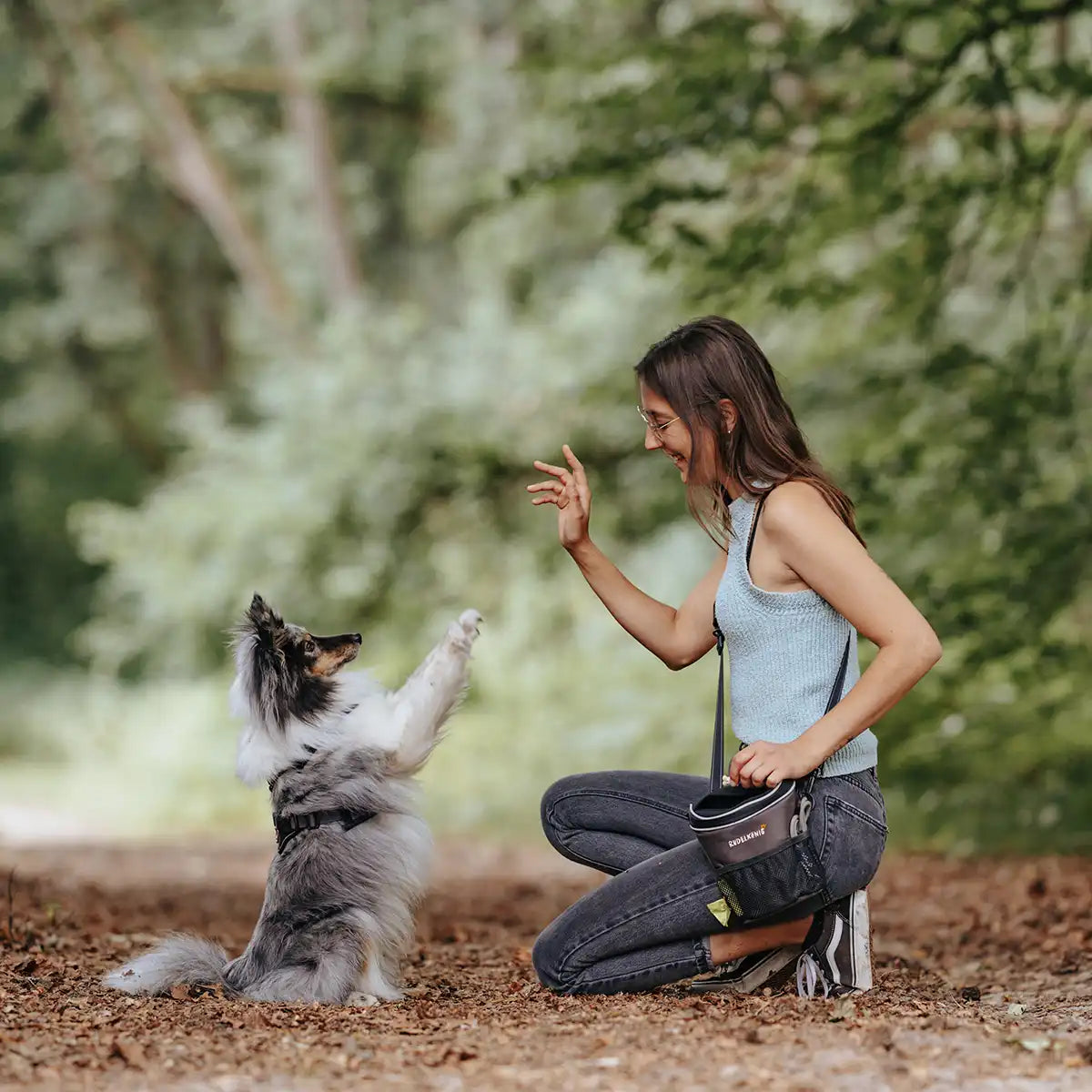
Imagine you are walking through the forest with your dog and his dog dummy. The air smells of earth and fresh leaves, the sun shines through the treetops - and your four-legged friend looks at you expectantly. You take the dummy out of your bag, throw it, and your dog sprints off, highly concentrated and full of joy. With shining eyes he brings the training object back to you. This experience is more than employment - it is a shared task that strengthens trust and bonds.
Originally developed for hunting dogs, dummy training is now a wonderful way to exercise dogs in a species-appropriate manner - physically and mentally. It is suitable for almost every breed and age, from energetic Labradors to sensitive mixed breeds. What matters is not what “job” your dog originally had, but how much you enjoy training together.
Dummy training promotes both your dog's cognitive development and physical fitness. Active dog breeds in particular benefit enormously from structured training sessions in which they have to retrieve, search and concentrate. Especially for hunting dogs such as spaniels or retrievers, which show a natural affinity for retrieving game, dummy training can be used to create a species-appropriate replacement for hunting, especially for hunting dogs. But other breeds and mixed breeds also benefit enormously from the clearly structured exercises.
Dummy training for all dog breeds – from puppies to seniors
No matter whether you have a lively puppy at home or are looking for new ways to keep an older dog busy: dummy training adapts wonderfully to every age and every breed of dog. While young dogs gain their first experiences of success through retrieving, older four-legged friends benefit from targeted search tasks that challenge their minds without physically overloading them. Lighter dog dummies are suitable for small breeds, while larger dogs can have fun with heavier standard models. What is important is not the speed, but rather the shared joy and training at eye level.
What exactly is a dummy?
A dummy is a special retrieving and training object that replaces the use of real game in dog training. They are available in many versions: The standard model is robust and usually weighs around 500g - ideal for everyday training in the field. The weight can vary and there are special variants with plastic granules or other fillings to meet different sizes and requirements. This adaptability is particularly helpful when training puppies or small breeds of dogs.
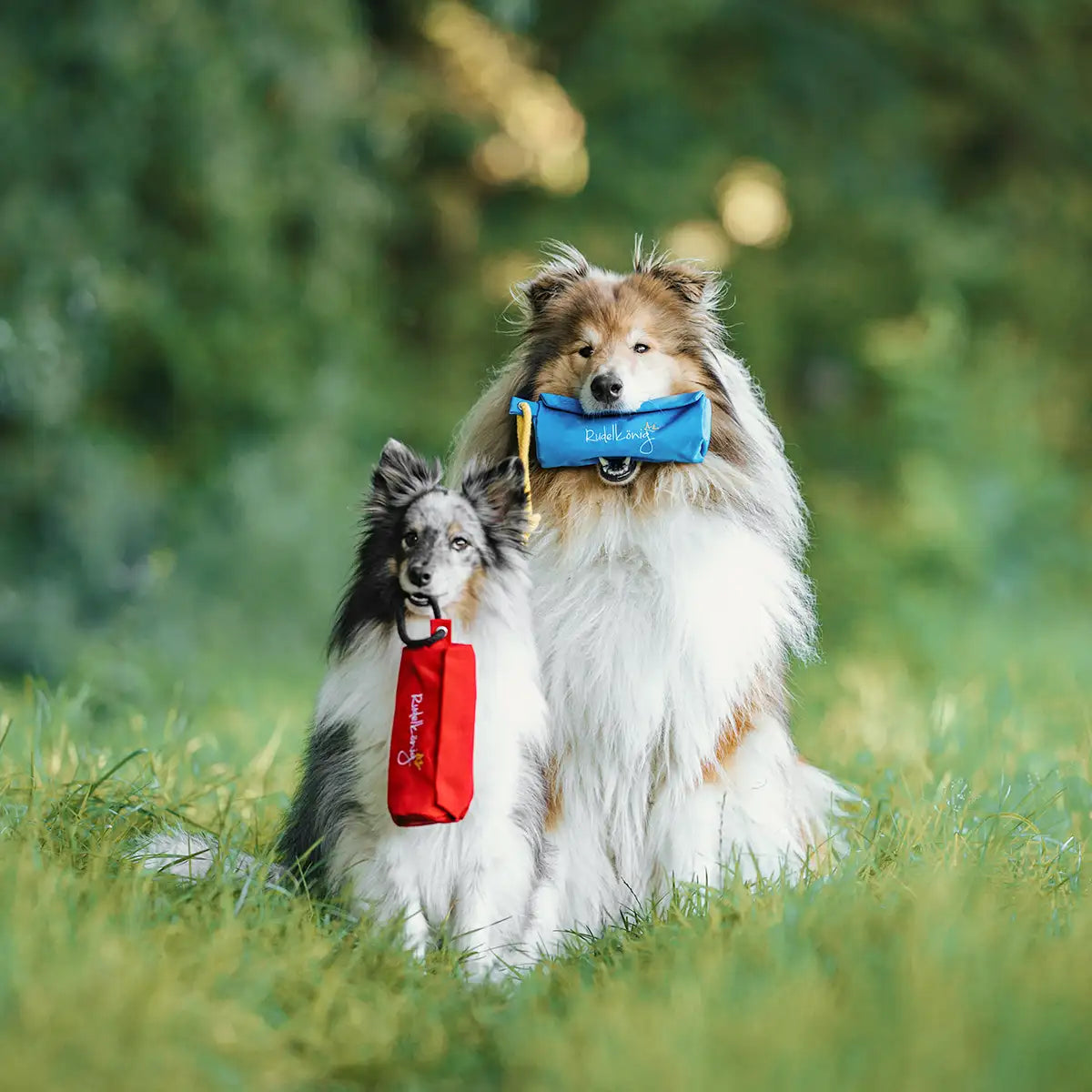
Then there is also an article like this Food dummy, which can be filled with treats. This variant is particularly helpful when starting training because it increases motivation through direct reward. At Rudelkönig you will find a large selection of food dummies, food bags and matching sets - with well thought-out workmanship, fair prices and fast delivery within Germany.
There are floating ones for use on water Water dummies, which remain grippy even when wet. These are ideal if your dog loves swimming or you plan training sessions at the lake or river. Water dummies are also available in combination with scents that simulate real game - ideal for advanced dummy training.
For advanced game training Field or fur dummies Equipped with natural fragrance or fur cover. Models such as the so-called "Dead Fowl Dummy" simulate realistic shapes and weights of wild birds such as ducks or pheasants. These training objects are particularly suitable for ambitious dog owners and professionals who are specifically working towards dummy tests or hunting-related training.
The choice depends largely on your level of training – and what your dog enjoys. High-quality dummies like those available here at Rudelkönig are characterized by long-lasting workmanship, natural materials and well-thought-out shapes.
Dummies in all their diversity – from cotton to special filling
At Rudelkönig you will find dummies made from different materials such as cotton, canvas or plastic fabric. These materials ensure a pleasant feel and safety in your dog's mouth. Depending on the purpose and training goal, you can choose between light dog dummies for beginners or more sophisticated versions with scents or special fillings. Such models are particularly exciting if your four-legged friend already has experience in retrieving and enjoys mastering new challenges.
The advantages of dummy training
Dummy training is not just a form of employment, but a real bonding experience between people and dogs. Structured training serves as targeted exercise, especially for dogs with a strong urge to move and enjoy working.
On the one hand, your dog is physically challenged. Retrieving, searching, carrying, bringing – all of this ensures a natural activity that goes far beyond the classic walk. At the same time, dummy training places high demands on concentration and the toys your dog is allowed to use. Your dog must learn to pay attention to signals, make decisions and focus despite distractions.
In addition, obedience is strengthened. Commands such as “sit”, “search”, “stay” or “bring” are integral parts of the training steps. Especially during dummy dog training, you can quickly see what progress your four-legged friend is making - and which training steps still need some practice. Patience and clear, friendly instructions help here.
Last but not least, particularly sensitive dogs benefit from building trust through training. The shared experience of success reduces insecurities - a valuable side effect of dummy training that can have a long-term impact on overall behavior.
Step-by-step instructions for beginners
1. The basis: create trust and basic obedience
Before you start the actual dummy training, you should make sure that your dog reacts reliably to basic commands such as "sit", "down" and "here". These basics are crucial so that your four-legged friend is not overwhelmed during later training. Especially with puppies, it is worth starting with small exercises during the formative phase to promote trust and attention.
2. Make the dummy exciting
Start with a lightweight dog dummy or food bag. Let your dog sniff it in peace and maybe carry it a few meters. A food dummy is ideal for getting started - it combines the training stimulus with a direct reward. Through this form of positive reinforcement, your dog will quickly understand that dummy training is fun and worthwhile for him.
3. First attempts at retrieving
Once your dog shows interest in the dummy, you can start throwing it at short distances. Start at about two to three meters and let your dog pick up the dummy and bring it back to you. Even if things go bumpy at first or your four-legged friend doesn't bring the dummy straight away, praise every approach and motivate him further. The more often he is rewarded with success, the more committed he will be to retrieving.
4. Increase difficulty slowly
Once the basic movement is correct, you can expand the training with new stimuli. Hide the dummy behind a tree or throw it in tall grass. Work with different surfaces to make the search more exciting for your dog. Water training sessions – for example with floating dummies – are also a great change. Pay attention to the respective training steps and do not overwhelm your dog. He sets the pace.
5. Integrate dummy training into everyday life
The beauty of dummy training is its flexibility. Whether on the morning walk or on a weekend trip to the forest - it can easily be incorporated into everyday life. Use every opportunity to throw in small tasks. Game sequences with fetch elements or hidden dummies in the garden also keep things busy. This keeps your dog mentally challenged and physically active at the same time.
The right equipment for dummy training
For successful dummy training, you should use high-quality equipment. In addition to a suitable standard dummy made of robust canvas, food dummies and water dummies are also important elements of your training set. Think in advance about which colors are clearly visible to your dog – bright colors in the forest, darker models in the snow. The surface also plays a role in the choice of color.
Dummy vests and dummy bags help you to conveniently transport several dummies and accessories. This makes handling much easier, especially during advanced training or longer sessions with several dummies. You can also store treats, whistles and clickers within easy reach in the dummy bag.
Feed bags & accessories: Little helpers, big impact
An often underestimated element in dummy training are food bags. These allow you to specifically reward with food without constantly feeding your dog by hand. Especially with puppies and young dogs, you can use the food bag to lay the foundation for later dummy training. Combined with clear commands and positive reinforcements, this will be a strong start to retrieving. Also remember: Accessories such as clickers or whistles help you make your training more precise.
Train successfully – with feeling and system
Patience is crucial – every dog, young or old, needs time to learn new things. Start with simple tasks, slowly increase the level of difficulty and pay attention to your dog's motivation. Fixed rituals and praise – be it verbal or through a special toy – make the difference.
It is also important that you set small, measurable goals. Observe the training progress and consciously celebrate the training successes. A good dog trainer can help you identify your weaknesses and train them specifically. If you notice that your dog is frustrated or overwhelmed, take a break or take a step back - this is not a step back, but an expression of mindfulness.
When training is a success – why patience is worth it
It's not always the big jumps that count. It's often the small, quiet moments of success when your dog retrieves without help for the first time or reliably brings back a dummy. These successes come from regular training tailored to the dog. If you work on your goals together with your dog, every fetch will be a small triumph - for both of you. And the best thing about it: These successes build trust and sustainably promote your relationship.
Retrieving is more than just a command - it's teamwork
The term “retrieve” in dummy training means much more than just retrieving an object. It means collaboration, communication and mutual trust. Your dog learns to pay attention to you, follow your signals and master tasks together with you. Four-legged friends with a lot of energy or a natural hunting instinct in particular find retrieving a useful task. And you as a person will quickly notice how fulfilling this type of interaction can be.
One animal, many possibilities – dummy training as a lifestyle
A dog is not just a pet - it is a family member, a companion, a mirror of our everyday lives. By giving your animal a clear task through dummy training, you not only promote their balance, but also your mutual understanding. In a world full of distractions, training together is a valuable anchor. It shows how much fun it is to grow together. And that's exactly why dummy training is much more than a trend - it's an attitude, a lifestyle that connects dogs and people.
Conclusion: retrieving as a bridge between dogs and humans
Whether you start with a food dummy for beginners or teach your dog how to fetch with a dead fowl dummy - the key is to enjoy the shared task. Dummy training is not only suitable for professional dog owners or hunting dogs. It brings variety to every dog's everyday life, regardless of age, size or training.
With the right training, a little patience and the right accessories from the Pack King range, dummy training becomes an activity that allows you to grow as a team - in a playful, clear and appreciative way.
Tip from the pro: Are you looking for an article to help you get started? Then take a look at our guides for dummy training – practical, understandable and packed with tips that really work.
Get started now: Discover dummy training products from Rudelkönig – for your dog, for your bond, for real training success.